15 Oct 2026 · Kasavya
Soft Silk vs Mysore Silk: What to Check Before You Buy
Two popular silk sarees, two very different things. How to tell them apart and what to ask before you choose.
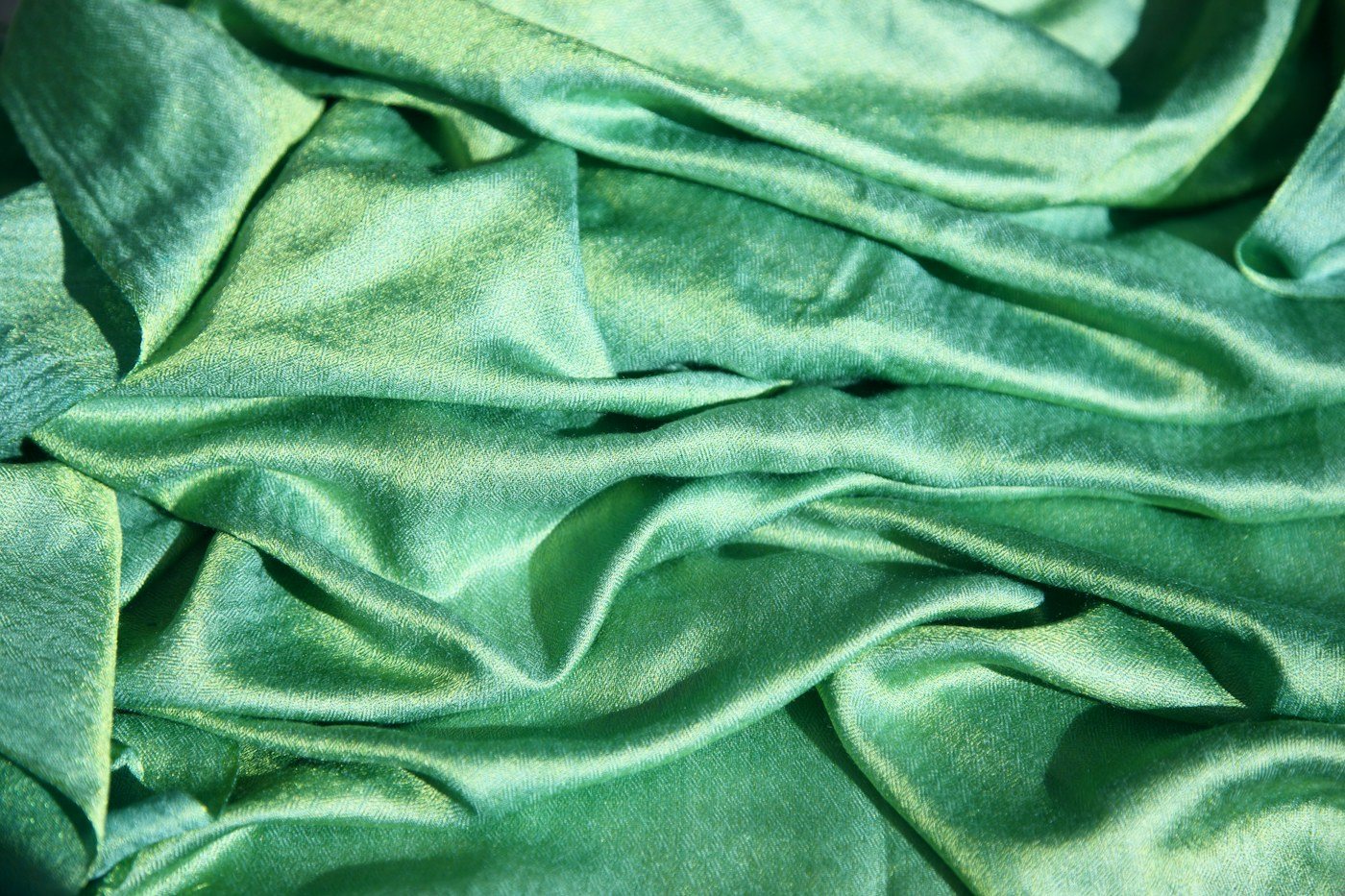
“Soft Silk” and “Mysore Silk” sit side by side in many saree shops, and they are easy to confuse. They are quite different things, and knowing the difference helps you choose with confidence.
Mysore Silk
Mysore Silk comes from Karnataka and is traditionally woven from pure mulberry silk with a smooth, light crepe texture and a fine zari border. “Mysore Silk” is a registered Geographical Indication, so the name has a specific meaning. It is understated, light to wear and travels well.
Soft Silk
“Soft Silk” is a trade description rather than a single defined fabric. It usually describes a saree that is lighter and more fluid than a traditional heavy silk, often with a woven zari border. Depending on the maker, a soft silk saree may be pure silk, a silk blend or a different fibre altogether. That is why the listing matters more than the name.
How they feel and drape
- Mysore Silk: smooth, light and lustrous, with a fluid fall and minimal bulk.
- Soft Silk: soft and easy to drape; the hand varies with the fibre used.
What to check before you buy
- Fibre composition: pure silk, silk blend or another fibre?
- Certification: pure silk may carry the Silk Mark; ask whether the piece has it.
- Zari: real, tested or imitation zari?
- Origin: where was it woven, and is that verified?
- Weight, length and blouse piece: all affect how it drapes and what you receive.
- Care: most silks are best dry cleaned.
At Kasavya, each silk saree’s listing describes its material and origin according to verified information. Explore the Kasavya Silk collection, and read Understanding Saree Fabric Labels for more of the questions worth asking.